How to Get From JFK to Manhattan
The AirTrain, the subway, the LIRR, the flat fare taxi and a private car, with what each one actually costs in 2026 and the situations where each one wins.
Fares checked September 2026AirTrain, LIRR and subwayTimes Square and Midtown24 hour private car
The short answer
Take the AirTrain to Jamaica and change to the LIRR. It is the fastest public route into Manhattan: USD 8.75 for the AirTrain plus USD 5 to USD 7 for the LIRR with CityTicket, and about 30 to 45 minutes to Penn Station.
That is the fastest answer to how to get from JFK to Manhattan. If you would rather save a few dollars than a few minutes, take the AirTrain to Jamaica or Howard Beach and change to the subway instead: USD 8.75 plus USD 3, so USD 11.75 all in, for a slower but perfectly good ride that goes nearer to more places.
If you are two or more people, if you have real luggage, if it is late, or if you simply do not want to think about it, the maths changes and a fixed price car or the USD 70 flat fare taxi becomes reasonable. The rest of this page is every option in detail, with the fares as published in September 2026.
Every Option at a Glance
| Option | Cost | Typical time | Best for |
|---|---|---|---|
| AirTrain plus subway | USD 11.75 | 50 to 75 min | Cheapest sensible route. AirTrain to Jamaica or Howard Beach, then the E, J, Z or A. |
| AirTrain plus LIRR | USD 13.75 to 15.75 | 30 to 45 min | The fastest public option. AirTrain to Jamaica, LIRR to Penn Station or Grand Central. |
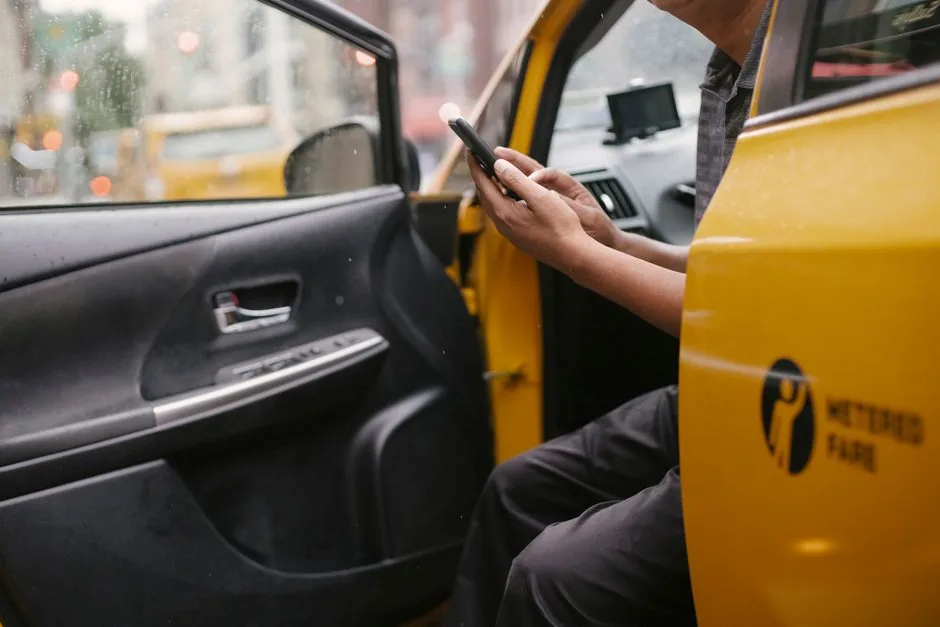
| Yellow taxi | USD 70 flat plus surcharges, tolls and tip | 45 to 75 min | A fixed base fare, but six separate surcharges sit on top of it. |
| Uber or Lyft | Roughly USD 70 to 110, more when surging | 45 to 75 min | No flat fare protection, and JFK is where surge pricing bites hardest. |
| Private car service | Flat rate quoted before you travel | 45 to 75 min | Meets you inside, tracks the flight, one price for the whole vehicle. |

Written and fact checked by
Muhammad Bilal Zahoor
CEO, Digital Fawz
CEO of Digital Fawz and an SEO practitioner of more than seven years. He researches and maintains the New York airport transfer guides on this site, and checks every published fare against the operator before each update.
Get a Flat Rate for This Route
If you decide a car is the right call, this gives you a fixed price before you travel. Tolls, parking, meet and greet and gratuity are already inside it.
© 2010–2026 · Chauffeur Booking System for WordPress ver. 9.6 by QuanticaLabs
Flight tracked
Meet and greet inside
Flat rate, tolls included
Licensed and insured
The AirTrain: JFK to Manhattan From USD 11.75
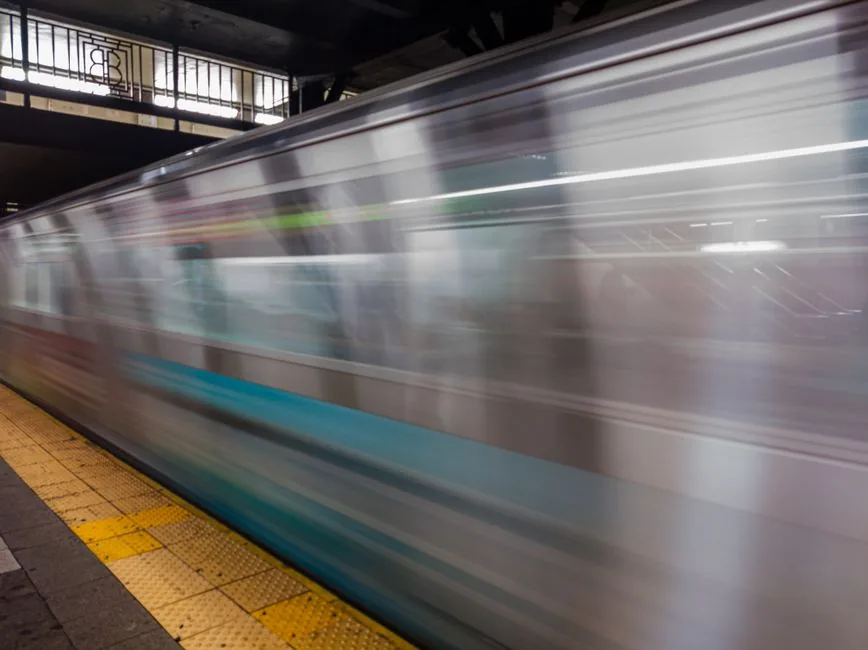
Everything public from JFK starts with the AirTrain. It runs between the terminals in under ten minutes, every five to fifteen minutes, and you pay nothing to move between terminals. You pay when you leave the airport: according to the Port Authority, the one-way fare to Jamaica or Howard Beach is USD 8.75.
Which station you want depends on where you are going. Jamaica connects to the E, J and Z subway lines and, more usefully, to the Long Island Rail Road. Howard Beach connects to the A. The subway fare rose to USD 3.00 on 4 January 2026, so AirTrain plus subway is USD 11.75 and takes somewhere between fifty and seventy-five minutes depending on your line and the hour.
The LIRR is the option people miss. From Jamaica it reaches Penn Station or Grand Central in around twenty minutes, and with a CityTicket the fare is USD 5 off peak or USD 7 at peak. That makes the whole trip USD 13.75 to USD 15.75 and roughly thirty to forty-five minutes, which is faster than a taxi in most traffic and a fifth of the price. If you are travelling light and going to Midtown, this is the best-value journey from JFK by a wide margin.
Jamaica or Howard Beach: which station?
Jamaica, for almost everybody. It connects to the E, J and Z subway lines and, crucially, to the Long Island Rail Road, which is the fastest way into Manhattan from this airport. Howard Beach connects only to the A, which is a slow ride into the city and worth choosing only if the A happens to serve your destination directly.
Is the LIRR worth the extra few dollars?
Usually yes. The subway route costs USD 11.75 and takes fifty to seventy-five minutes. The LIRR route costs USD 13.75 off peak and takes thirty to forty-five. You are buying roughly half an hour for about two dollars, and the LIRR is also the calmer ride with luggage because it has racks and the subway does not.
The USD 70 Flat Fare, and What It Does Not Include
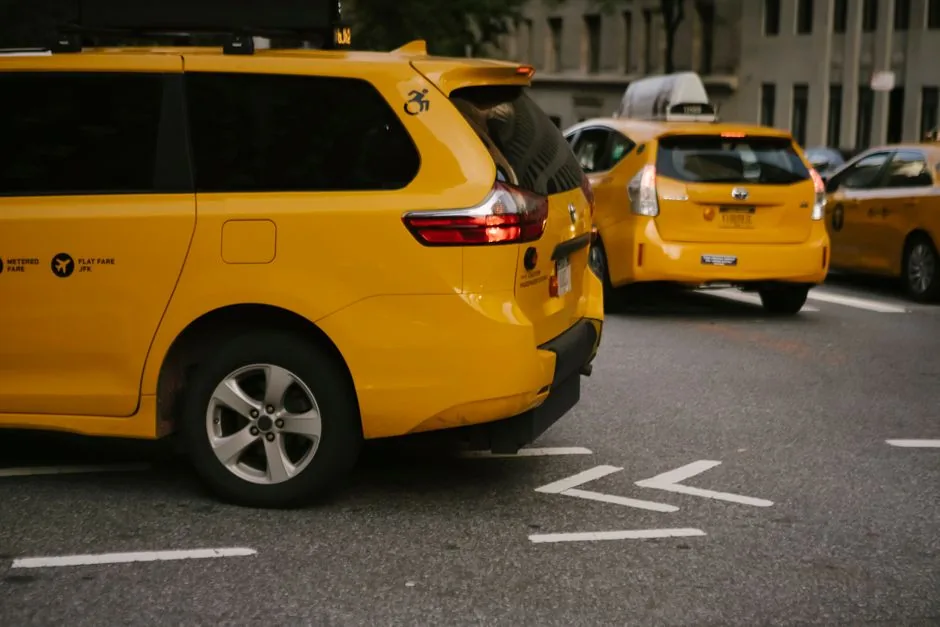
JFK is the only New York airport with a genuine flat fare to Manhattan, and it is a real protection: the meter does not run, so traffic is the driver's problem. The Taxi and Limousine Commission sets it at USD 70. What surprises people is everything that sits on top.
There is a 50 cent MTA state surcharge, a USD 1.00 improvement surcharge, a USD 5.00 rush hour surcharge between four and eight on weekdays, a USD 2.50 New York State congestion surcharge for trips south of 96th Street, and a 75 cent MTA congestion pricing toll below 60th Street. Tolls are yours to pay, and so is the tip. A USD 70 flat fare arriving in Midtown at five on a Tuesday is realistically ninety to a hundred and ten dollars by the time you are standing on the pavement.
It is still a fair deal for two or more people, and it needs no booking. Just do not budget seventy.
Does the flat fare apply in both directions?
Yes, between JFK and anywhere in Manhattan, in either direction. It does not apply to Brooklyn, Queens, the Bronx or Newark, where the meter runs normally, and it does not apply to rideshare at all, which is the distinction that costs people the most money.
JFK to Manhattan Uber Cost: No Flat Fare Protection
The single most useful thing to understand about rideshare at JFK is that the flat fare rule does not apply to it. A yellow taxi is capped at USD 70 before surcharges whatever the traffic. Uber and Lyft are not capped at anything.
On a quiet morning a JFK to Midtown ride is often seventy to ninety dollars, which is broadly taxi money. In the evening peak, in the rain, or when a run of international arrivals lands together, the same ride can be a hundred and forty. You will also walk to a designated pickup area rather than a rank, and at JFK those are not always near where you come out.
Travelling With Luggage, Late, or as a Group
Every recommendation above quietly assumes a person with one bag in daylight. Change any of those and the ranking changes with it.
With luggage, the AirTrain and subway combination involves lifts that are not always working, a change at Jamaica or Howard Beach, and a subway platform. It is doable and people do it daily. It is not pleasant with two large cases. With children and a car seat it is worse again. Late at night the subway runs but slows, and the walk at the far end is the part people regret. As a group of three or four, one vehicle is simply cheaper than four fares plus a cab, and it goes to the door.
Which Option Suits You
The right answer changes with the traveller more than with the airport. These are the five cases we are asked about most.
Travelling alone, light
Take public transport. It is cheaper, and with one bag the changes cost you nothing but a few minutes.
Three or more people
Book a car. The price is per vehicle rather than per head, so the comparison flips at three passengers and is not close at four.
With children
Book a car. Child seats are fitted before you land, and nobody carries a sleeping child down a staircase.
Late or delayed arrival
Book a car. We watch the flight rather than the timetable, so the pickup moves by itself and the wait time starts at touchdown.
A meeting to keep
Book a car. What you are buying is not speed, it is the removal of the variance that makes you late.
On the tightest budget
Public transport, every time. We would rather tell you that than win one booking and lose your trust.
JFK to Manhattan: Quick Answers
The questions we are asked most on this route, answered in the first line and then explained. Fares checked in September 2026.
How long does it take to get from JFK to Manhattan?
Thirty to forty-five minutes using the AirTrain and the LIRR, fifty to seventy-five using the AirTrain and the subway, and forty-five to seventy-five by road.
JFK is about fifteen miles from Midtown, but that number predicts almost nothing. The Van Wyck Expressway is the default road out of the airport and it is under near permanent construction, so the same trip can take forty minutes at ten in the morning and seventy-five at five in the afternoon. The LIRR is the only option on this route whose journey time barely moves, which is exactly why it is worth the extra few dollars.
What is the best way to get from JFK to Manhattan?
The AirTrain to Jamaica and then the LIRR, if you are travelling light and going to Midtown. It is the fastest public route and it costs a fifth of a taxi.
For anything else the answer changes. Going somewhere the subway serves better than Penn Station or Grand Central, take the AirTrain and the subway and save the difference. Carrying real luggage, travelling as a group of three or more, landing late, or holding a reservation you cannot miss, take a car, because none of those problems are solved by arriving faster. The flat fare taxi sits between the two: no booking, fixed base fare, but six surcharges waiting on top of it.
What is the cheapest way from JFK to Manhattan?
The AirTrain to Jamaica or Howard Beach, then the subway: USD 8.75 plus USD 3.00, so USD 11.75 in total.
Nothing legitimate is cheaper. There is a well-known trick of taking the Q10 or B15 bus from the terminals to avoid the AirTrain fare, which saves about six dollars and costs you thirty to fifty minutes, and with luggage it is a poor trade. If you will spend two dollars more to save half an hour, take the LIRR from Jamaica with a CityTicket instead, at USD 5 off peak.
JFK to Manhattan train: AirTrain, subway or LIRR?
All three, in sequence. Every public route from JFK begins with the AirTrain, and the question is only what you change onto.
Change to the subway at Jamaica for the E, J and Z, or at Howard Beach for the A. That is USD 11.75 all in and fifty to seventy-five minutes, and it is the right call if your destination is nearer a subway stop than a rail terminal. Change to the Long Island Rail Road at Jamaica for Penn Station or Grand Central in about twenty minutes, which makes the whole trip thirty to forty-five minutes for USD 13.75 to USD 15.75 with a CityTicket. The LIRR is the one most visitors do not know about and the one most New Yorkers use.
How much is a JFK to Manhattan taxi?
USD 70 as a flat base fare, and realistically USD 90 to USD 110 once everything is added.
The flat fare is genuine and valuable: the meter does not run, so a traffic jam is the driver's problem rather than yours. What is added on top is a 50 cent MTA state surcharge, a USD 1.00 improvement surcharge, a USD 5.00 rush hour surcharge between four and eight on weekdays, a USD 2.50 congestion surcharge below 96th Street, a 75 cent MTA congestion toll below 60th Street, then tolls and a customary tip. Budget the higher number and be pleasantly surprised.
How much is an Uber from JFK to Manhattan?
Roughly USD 70 to USD 110, and materially more when demand spikes.
The important difference from a yellow cab is not the average but the ceiling. The flat fare caps a taxi at USD 70 before surcharges no matter what the traffic does. Rideshare has no cap at all, so the evening peak, bad weather or a cluster of international arrivals can put the same ride past USD 140. You will also walk to a designated pickup area rather than a rank, and at JFK those are not always near where you emerge.
What is the JFK AirTrain and how much does it cost?
It is the airport's own light rail. It is free between terminals and USD 8.75 when you leave the airport at Jamaica or Howard Beach.
Trains run every five to fifteen minutes and cross the airport in under ten, so it is also the sensible way to move between terminals on a tight connection. You pay on exit rather than entry, which surprises people who expect a gate on the way in. It is the unavoidable first leg of every public route into Manhattan, so the real decision is only what you change onto at the far end.
Getting from JFK to NYC with luggage or children
Take a car, or take the flat fare taxi. The AirTrain route is not built for it.
The public journey involves the AirTrain, a change at Jamaica or Howard Beach, and a subway or rail platform, with lifts that are sometimes out of service. With a carry-on it is easy. With two large cases it is work, and with a pushchair and a tired child it is the part of the holiday people remember for the wrong reason. A sedan takes two large cases and an SUV four, child seats are fitted before you land, and the vehicle goes to the address rather than to a station near it.
JFK by Terminal
The pickup point and the walk differ by terminal, and on two of these airports they have changed recently. This is where each option actually starts.
Terminals 1, 4, 5, 7 and 8
These are the five passenger terminals in operation. The AirTrain serves every one of them and is free between them, so whichever gate you arrive at, the first leg of any public journey is identical. Terminal 4 and Terminal 1 handle most international arrivals, Terminal 5 is JetBlue, Terminal 8 is American with British Airways, Iberia and Japan Airlines now alongside it after the terminal was enlarged.
Terminal 6 and the New Terminal One
JFK is in the middle of the largest rebuild in its history. Terminal 6 begins opening in phases from 2026, and the New Terminal One's first phase is now expected in 2027. The practical effect for a traveller today is construction traffic on the airport roads and occasional changes to pickup points, which is an argument for the AirTrain, since the rail loop is unaffected by any of it.
Where cars collect
Taxi ranks sit outside arrivals at each terminal and are the one thing at JFK that has not moved. Rideshare pickup is in designated areas that are frequently not the nearest door, and at some terminals involves a lift and a walk across a garage. A pre-booked chauffeur meets you inside at baggage claim, which on an airport in this state of rebuilding is worth more than it usually is.
JFK to Each Part of Manhattan
“To Manhattan” hides six different answers. The right option for the Financial District is not the right one for the Upper East Side, and the gap between them is often half an hour.
Midtown, Penn Station and Grand Central
The AirTrain to Jamaica and then the LIRR. Around twenty minutes from Jamaica, and it puts you at Penn Station or Grand Central for USD 13.75 to USD 15.75 with a CityTicket. This is the single best public journey from any New York airport to Midtown.
Times Square and the Theatre District
The LIRR to Penn Station and one subway stop, or the AirTrain to Jamaica and the E train, which runs to 42nd Street and Port Authority for USD 11.75. The E is slower and simpler; the LIRR is faster with a change.
The Financial District and Lower Manhattan
The AirTrain to Jamaica and the E, or Howard Beach and the A, both of which run down the west side. The A from Howard Beach is the one case where Howard Beach beats Jamaica, because it goes where you are going without a change.
The Upper East Side
Take a car, or the LIRR to Grand Central and then the 4, 5, 6. Grand Central changed this route considerably: before the LIRR reached it, the Upper East Side was a genuinely awkward journey from JFK, and now it is two legs rather than three.
The Upper West Side
The AirTrain to Jamaica, the E to 42nd Street, then the 1, 2 or 3 north. Or a car. This is the Manhattan destination where JFK is at its weakest, because every public route involves crossing the island as well as reaching it.
Brooklyn and the Village
Howard Beach and the A, which is quicker to Brooklyn and lower Manhattan than anything through Jamaica. If your destination is in Brooklyn rather than Manhattan, this is the route, and JFK is much the best airport for it.
JFK to Manhattan by Time of Day
On this route the hour changes the answer more than the option does. The same journey can be the best and the worst choice on the same day.
Arriving before 7am
The Van Wyck is clear and a car is quick, often forty minutes to Midtown. The AirTrain runs twenty-four hours and the LIRR is thinner but running. Either works; this is the easiest window on the route.
The morning peak, 7am to 10am
The LIRR, comfortably. Inbound traffic through Queens is heavy and the Van Wyck is the worst of it. The train is indifferent to all of it and reaches Penn Station or Grand Central in about twenty minutes from Jamaica.
Midday, 10am to 4pm
Any option is defensible. Roads move, the AirTrain and subway are frequent, and the LIRR runs off peak, which is also when the CityTicket is cheapest at USD 5. If you are travelling light, this is the window to take the train and spend the difference on lunch.
The evening peak, 4pm to 7pm
The LIRR, and it is not close. This is also when the yellow taxi's USD 5 rush hour surcharge applies, so the flat fare is at its least flat exactly when the traffic is at its worst. A booked car protects you on price but not on time.
Late night arrivals
Book a car. The AirTrain runs all night and the A and E do too, but slowly, and the last leg on foot at two in the morning is the part people regret. Our wait time runs from touchdown, so a delayed landing does not cost you the booking.
What It Costs for One, Two or Four People
This is the calculation that decides most of these bookings, and it is the one no guide shows you. Public transport is priced per person. A car is priced per vehicle. Everything else follows from that.
| Party size | AirTrain plus LIRR (per person) | Taxi, USD 70 flat plus surcharges | Private car (per vehicle) |
|---|---|---|---|
| 1 passenger | USD 13.75 | USD 90 to 110 | One flat rate, unchanged |
| 2 passengers | USD 27.50 | USD 90 to 110 | One flat rate, unchanged |
| 3 passengers | USD 41.25 | USD 90 to 110 | One flat rate, unchanged |
| 4 passengers | USD 55.00 | USD 90 to 110 | One flat rate, unchanged |
Read the bottom row rather than the top one. A single traveller should almost always take public transport and we have said so throughout this page. By three passengers the comparison is close, and by four the car is usually cheaper than the fares alone, before you count the taxi you would otherwise need at the far end. Add luggage or a child seat and it stops being an argument.
Accessibility, International Arrivals and the Return Trip
Step-free routes into Manhattan
The AirTrain is fully accessible and both Jamaica and Howard Beach have lift access to their platforms. Beyond that it depends on your line: many New York subway stations still have no lift at all, so a step-free subway journey needs planning station by station. The LIRR into Penn Station or Grand Central is the more reliable accessible route, and a car is the only one that needs no planning.
Arriving on an international flight
JFK handles the majority of New York's international arrivals, largely through Terminals 1 and 4. Immigration queues here are among the longest in the country at peak, and ninety minutes from touchdown to kerb is normal rather than unlucky. Plan from the time you expect to reach the kerb, not from the landing time on your booking. This is the single most common reason people miss a train they had already paid for, and it is why a flight-tracked car is worth more on an international arrival than a domestic one.
Going back: Manhattan to JFK
Leave three hours before a domestic departure and four before an international one. The LIRR from Penn Station or Grand Central to Jamaica, then the AirTrain, is the most predictable way to do it, and unlike the inbound trip you are working against a deadline, so predictability is worth more than comfort.
Weather and Season on the JFK Route
The advice on this page assumes ordinary conditions. Three times a year it stops being ordinary, and the right option changes with it.
Winter
The Van Wyck in snow is genuinely bad, and JFK's position on the coast means it gets weather the rest of the city does not. The AirTrain and the LIRR both keep running when the roads do not, and on a snow day the train is not merely cheaper but several times faster.
Summer and the East End exodus
Friday afternoons from late June to early September add traffic to every road out of JFK, because the Hamptons traffic and the airport traffic use the same roads for the first few miles. It affects the drive into Manhattan less than people expect, but it does affect the drive out.
Thanksgiving and December
JFK's international arrivals peak alongside the domestic rush, so immigration queues and ground transport demand spike together. This is the period where the ninety minutes of complimentary wait time we allow from touchdown is not a generous gesture but a practical necessity.
Should You Fly Into JFK at All?
JFK is roughly fifteen miles from Midtown, Newark sixteen and LaGuardia eight, so JFK sits in the middle on distance. What sets it apart is the Long Island Rail Road, which no other New York airport connects to usefully, and which reaches both Penn Station and Grand Central. That makes JFK the best-connected airport for the east side and for Brooklyn, and a reasonable one for everywhere else.
Where JFK loses is the Upper West Side and price. Its cheapest public route is USD 11.75 against LaGuardia’s three dollars, and the AirTrain fare is unavoidable. For a short domestic hop where you have a genuine choice of airport, LaGuardia is cheaper to get out of.
Common Mistakes on the JFK Route
These are the ones we hear about most, from passengers who have already made them.
Thinking the USD 70 is the total
It is the base. Six surcharges sit on top of it, plus tolls and tip, and the realistic figure into Midtown at peak is ninety to a hundred and ten. Budget the higher number.
Assuming Uber is capped like a taxi
The flat fare protects yellow cabs only. Rideshare has no ceiling at JFK, which is why the same trip can be seventy dollars on a Tuesday morning and a hundred and forty on a wet Friday evening.
Going to Howard Beach when you want Jamaica
Howard Beach gives you the A and nothing else. Jamaica gives you the E, J, Z and the LIRR. Unless the A serves your destination directly, Jamaica is the station you want.
Skipping the AirTrain to save the fare
The local buses from the terminals avoid the USD 8.75, and cost you thirty to fifty minutes. With luggage it is a poor trade, and it is the tip most often repeated by people who have not actually done it.
Not allowing for immigration on an international arrival
Your landing time is not the time you reach the kerb. On a busy international arrival at Terminal 1 or 4, immigration and baggage can take an hour. Booked cars track this; a train you booked for a fixed time does not.
JFK to Times Square
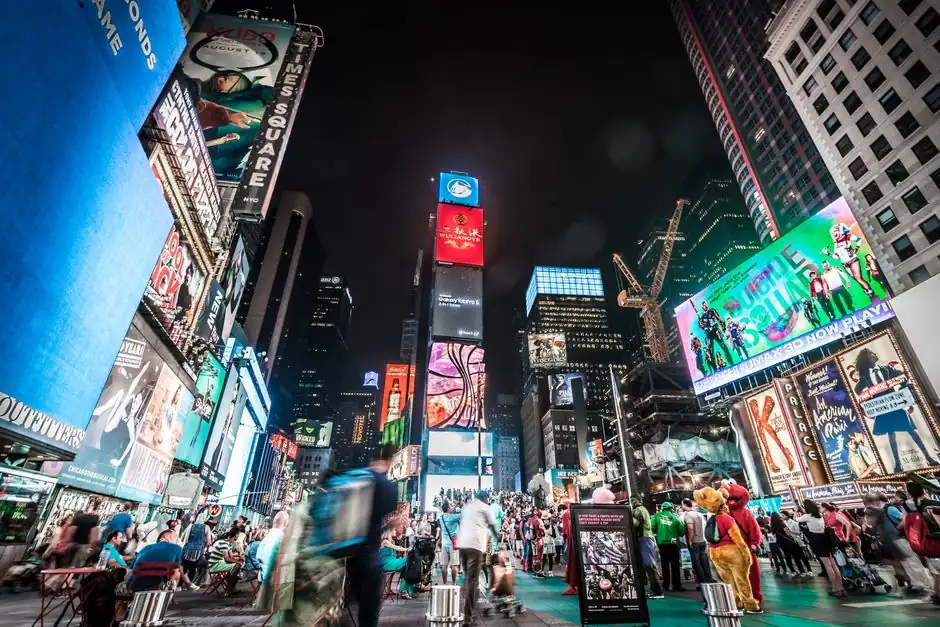
Times Square is the most searched destination on this route, and the best public answer is the AirTrain to Jamaica, the LIRR to Penn Station, then one subway stop or a walk of about fifteen minutes. Call it USD 17 to USD 19 in total and something near an hour door to door.
The cheaper version is the AirTrain to Jamaica and the E train, which runs to 42nd Street and Port Authority, a couple of minutes' walk from Times Square, for USD 11.75. It takes longer, roughly an hour and a quarter with the change, but it is a single change and it lands you in the right place.
By road, be realistic about the last mile. Times Square traffic in the early evening is among the slowest in the city, and the final six blocks can take as long as the first ten miles. If you are arriving into a show or a dinner, build that in whichever way you travel.
When a Private Car Is Genuinely the Right Call From JFK
We will not pretend the AirTrain and the LIRR are bad. For one person with a carry-on going to Midtown, they are better than us on both price and often on time, and we would rather tell you that than lose your trust on the one occasion it matters.
A car earns its money in four cases. Group size, because the price is per vehicle: three people already changes the answer, four settles it. Luggage, because a sedan takes two large cases and an SUV four, and none of them touch a staircase. Late or delayed arrivals, because we watch the flight rather than the clock and the car is there when you are, not when the timetable says. And any trip with a hard obligation at the other end, where the thing you are actually buying is the removal of uncertainty.
Our JFK work is a flat rate agreed before you travel with tolls, parking, meet and greet and gratuity inside it. We allow ninety minutes of complimentary wait time from touchdown on international arrivals and sixty on domestic, counted from when the wheels hit rather than when you booked, and the chauffeur waits inside at baggage claim with a sign showing your name.
How Booking a Car Works
1
Give us the flight
Flight number, date and where you are going. That is enough for a fixed quote.
2
We confirm the rate
One price for the vehicle, agreed before you travel, with tolls, parking and gratuity inside it.
3
We track the flight
Early, late or diverted, the pickup moves on its own. Nobody needs to call anybody.
4
We meet you inside
At baggage claim, with a sign showing your name, then straight to the car and out.
- Wait time counted from touchdown, not from the time you booked
- Meet and greet inside the terminal as standard, not an extra
- Tolls, parking and gratuity already inside the quoted rate
- Child seats fitted in advance at no extra charge
- Licensed, insured and background checked chauffeurs
- Sedan, SUV, Sprinter and stretch limousine on the same route
JFK to Manhattan: Frequently Asked Questions
The AirTrain to Jamaica or Howard Beach and then the subway, at USD 8.75 plus USD 3.00, so USD 11.75 in total. It takes roughly fifty to seventy-five minutes. If you will pay a couple of dollars more to save half an hour, take the LIRR from Jamaica instead with a CityTicket, which brings the total to USD 13.75 off peak.
About 30 to 45 minutes using the AirTrain and the LIRR, 50 to 75 minutes using the AirTrain and the subway, and 45 to 75 minutes by road depending on traffic. JFK is roughly 15 miles from Midtown, but the time is set by congestion rather than distance.
The base fare is genuinely fixed at USD 70 and the meter does not run, which protects you in traffic. Six things sit on top: a 50 cent MTA state surcharge, a USD 1.00 improvement surcharge, a USD 5.00 rush hour surcharge from four to eight on weekdays, a USD 2.50 congestion surcharge, a 75 cent MTA congestion toll, and then tolls and tip. Budget ninety to a hundred and ten.
Usually USD 70 to USD 110, and higher when demand spikes. Unlike a yellow taxi, rideshare has no flat fare protection at JFK, so a busy evening or bad weather can push the same trip well past a hundred and forty.
Not directly. Every public route begins with the AirTrain, which connects to the A at Howard Beach and to the E, J and Z at Jamaica. The AirTrain is free between terminals and USD 8.75 when you leave the airport at either of those stations.
A pre-booked car, or the flat fare taxi if you have not booked. The AirTrain and subway route involves a change, lifts that are sometimes out of service and a subway platform, which is manageable with a carry-on and genuinely unpleasant with two large cases. A sedan takes two large cases and an SUV takes four, door to door.
Yes. The chauffeur parks, walks in and waits at baggage claim holding a sign with your name. We track the flight, so a delay or an early landing moves the pickup without you calling, and wait time is counted from touchdown: ninety minutes complimentary on international arrivals, sixty on domestic. Call 914-770-4646 or book online.
Terms You Will See on Signs
New York’s airport transport vocabulary is not obvious to a visitor, and two of these cost money if you misread them.
AirTrain
The automated light rail inside JFK and Newark. It is free between terminals at both airports and charged when you leave: USD 8.75 at JFK, and included in the NJ Transit fare at Newark. LaGuardia has no AirTrain and the plan to build one was abandoned.
CityTicket
A discounted Long Island Rail Road and Metro-North fare for journeys that begin and end inside New York City. It is what makes the LIRR from Jamaica affordable: USD 5 off peak or USD 7 at peak, instead of a standard commuter fare.
OMNY
The MTA's contactless fare system. Tap a card or a phone at the subway or on a bus and you are charged the USD 3.00 fare, with a rolling cap so you never pay for more than twelve rides in seven days. You do not need to buy anything in advance.
Select Bus Service
The MTA's limited-stop bus network, marked SBS. The M60 from LaGuardia is one. You pay before boarding at a kerbside machine rather than on the bus, and keep the receipt, because inspectors do check.
Congestion surcharge
A New York State charge on for-hire trips into Manhattan south of 96th Street, USD 2.50 for yellow taxis, plus a separate MTA congestion pricing toll below 60th Street. Both are added on top of the JFK flat fare, which is why the flat fare is never the number you pay.
Meet and greet
A chauffeur walking into the terminal and waiting at baggage claim with a sign, rather than waiting in a car park and texting. It is standard on every booking we take and is the main practical difference between a booked car and a rideshare.
That is how to get from JFK to Manhattan by every route worth considering. If a car is the right call for your arrival, these are the pages to read next.
Prices, vehicles and the booking form for this specific run: JFK to Manhattan limo and car service. Everything we do at the airport itself: John F Kennedy International Airport transfers. Or see all New York airport transfers and the fleet.
Landing at JFK
Know the price before you fly
One flat rate for the whole vehicle, agreed before you travel, with the flight tracked and a chauffeur waiting inside at baggage claim.
Choose elegance, ride in luxury
Indulge in a first-class journey with our premium limousine services. Whether for a special occasion or everyday luxury, we ensure every ride is exceptional.
- Get in touch
“Contact us today and experience luxury on the go.”
Contact Us
- Info@highsocietylimos.com
- 914-770-4646
- 447 Broadway New York NY 10013