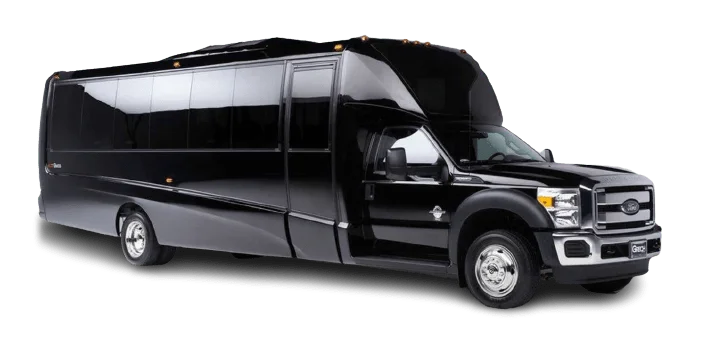
The source for the first three is IRS Publication 463, which says plainly that the cost of a bus, subway or taxi between home and your regular place of work is a personal commuting expense, and that the expense of getting from one workplace to another in the same day is not. In practice that means the car that takes a partner from the office to a client's office, a deposition or the airport is business travel, and the standing morning car from Scarsdale to Midtown is a commuting benefit that payroll has to think about.
The other two come from IRS Publication 15-B. The unsafe conditions rule lets an employer value a commute it pays for at USD 1.50 each way when a reasonable person would consider it unsafe for the employee to walk or take public transportation. It applies only to qualified employees: for 2026, people paid hourly, not exempt from overtime rules, and paid no more than USD 160,000 in 2025, and the employer needs a written policy and has to meet the conditions trip by trip. Separately, an occasional local fare provided because someone worked late can be excluded as a de minimis benefit.
None of this is tax advice, and your accountant decides how your company applies it. What a car service can do is make the categories easy to separate. Our statements show the passenger, the pickup and drop off, the date and time and the cost center for every trip, which is the information anyone sorting commuting from business travel needs.
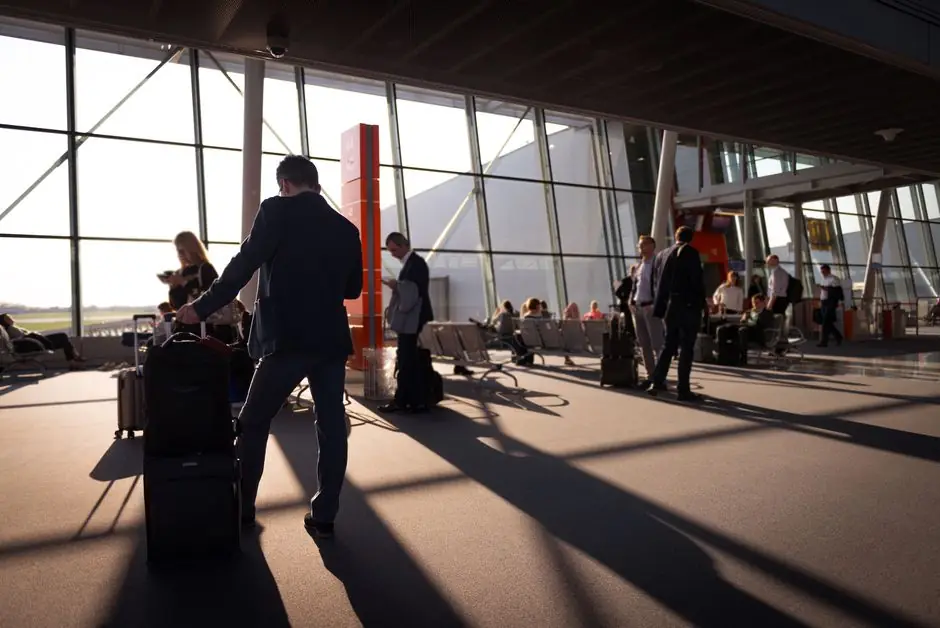
The second question is duty of care. ISO 31030:2021, the international standard on managing travel risk, asks organizations to plan for the risks their people face while traveling on the organization's behalf, and ground transport is usually the least planned part of a trip. A traveler landing at JFK at eleven at night, alone and unfamiliar with the city, is safer with a named chauffeur booked in advance than with whichever driver accepts a request at the curb, and the company knows where they are. The same logic applies to visiting staff on their first trip to New York and to anyone finishing work after the trains thin out: the risk is not the car, it is not knowing who is driving it.