The TLC's fare page sets the yellow cab meter at USD 3.00 to start, then 70 cents for every fifth of a mile when the cab is moving faster than 12 miles an hour, or 70 cents for every minute when it is slower or stopped. At speed that works out to USD 3.50 a mile. In traffic it works out to USD 42 an hour, and a trip across Midtown at five on a weekday spends much of its time below 12 miles an hour.
On top of the meter come the surcharges: 50 cents for the MTA state surcharge, USD 1.00 for the improvement surcharge, USD 2.50 for the congestion surcharge on any trip that begins, ends or passes through Manhattan south of 96th Street, USD 1.00 overnight from eight in the evening and USD 2.50 for weekday rush hour, before tolls and the tip. App rides have no meter, but they price on demand, which moves the number for the same reason: when everyone needs a ride at once.
A fixed price works the other way around. We quote the journey, not the minutes, so the figure you confirm is the figure for the trip whether the Queensboro Bridge is clear or the FDR is stopped. That risk sits with us. It also means you can compare our price with a cab on equal terms: take the cab estimate, add the surcharges, the tolls and the tip, and then add what the meter would do if the traffic is bad.
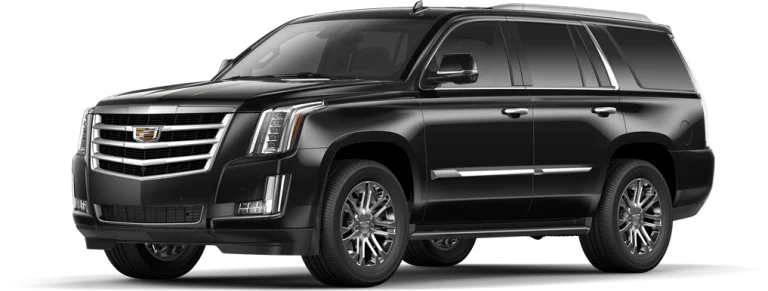
None of that makes a cab the wrong choice for one person going a few blocks. It makes a fixed price the better choice for anything with a bridge, a tunnel, luggage, more than one passenger or a time that matters. Split between two or three people, a fixed price for an SUV is often close to what a cab would cost on a bad day, and it is the same on a good one.